Keep them out
Rat Prevention & Exclusion in Tampa, FL
Removal empties the house. This is the part that keeps it empty. Foam does not count.
Call 813-692-1105Rat prevention and exclusion in Tampa, FL
Rat prevention in Tampa, FL is the step that decides whether the problem is finished or paused. Removal empties the house. Exclusion is what keeps it empty. If the openings that let the first rat in are still open, the vacancy gets filled, and in a city with year-round breeding that does not take long.
This is also the step most often left out of a quote, because trapping produces a visible result and sealing does not. Nobody photographs a properly closed soffit return. It is still the part that determines whether you make this call again next year.
Exclusion means material a rat cannot work through
There is a short list of things that actually hold and a longer list of things that do not.
What holds: galvanized hardware cloth, sheet metal and flashing, mortar and cement where the substrate suits it, and properly specified vent covers. These are chew-resistant and they stay put in heat and humidity.
What does not: expanding foam, plastic screen mesh, silicone or acrylic caulk used alone, and steel wool by itself. Foam is the common one. A rat chews through a foam plug overnight and widens the hole doing it, which means the repair actively made things worse. Foam is fine as backing behind hardware cloth. It is not a seal.
The openings that matter on a Tampa house
Because the roof rat dominates here, most of the work is above head height. The recurring failure points:
- Soffit returns. The boxed corner where the soffit turns to meet the wall. It is a manufactured gap in a lot of construction and it opens up further as the material ages.
- Roof-to-wall seams. Where a carport, Florida room, or lower addition roof ties into the main house. On block homes this is reliably the weakest joint on the building.
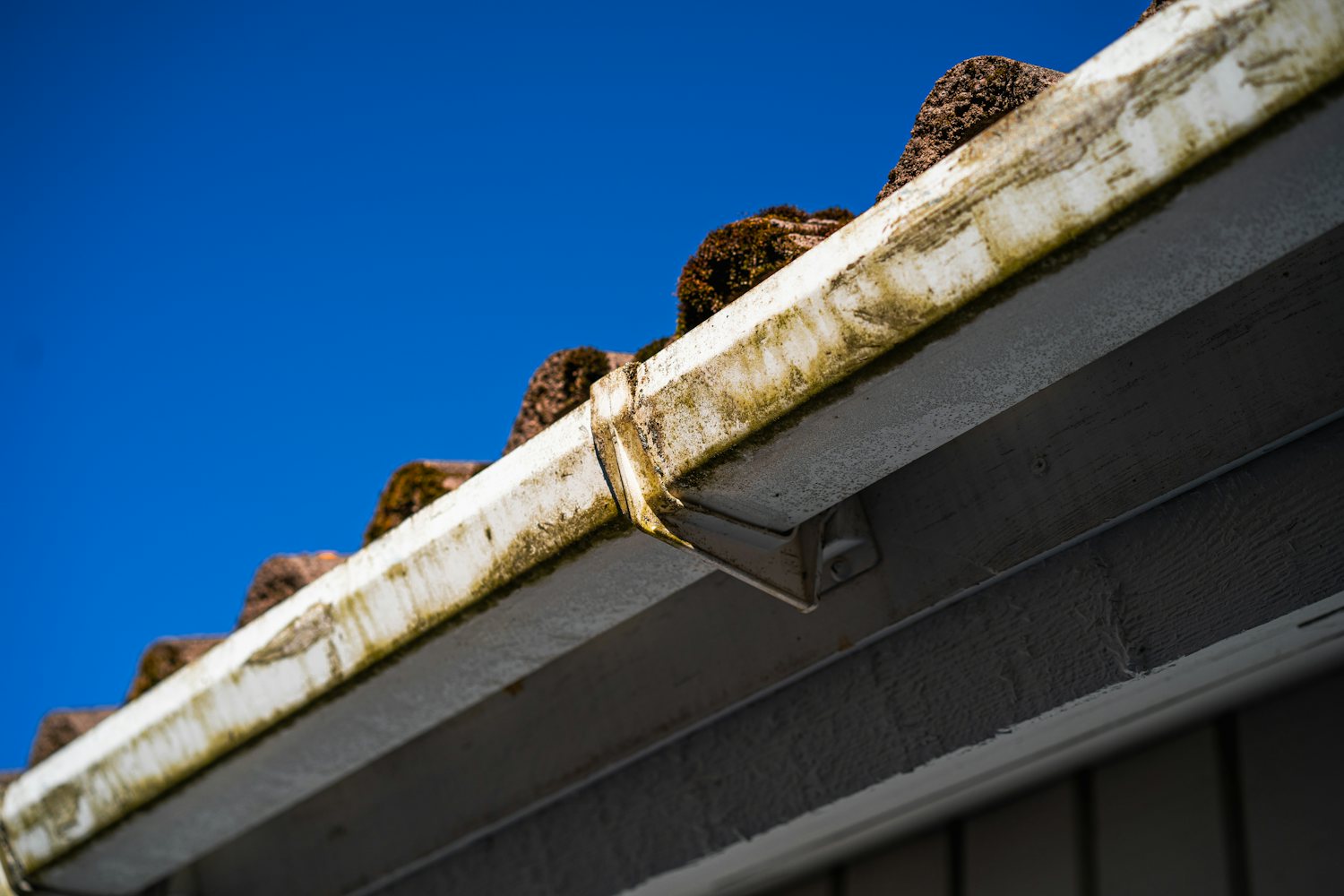
- Barrel tile at the eave. The batten space behind the first course of tile is open by design and closed only by a foam bird stop. In this climate the bird stop degrades, and the gap runs straight to the roof deck.
- Gable, turbine, and ridge vents. Original screening rusts or tears, and the vent becomes a doorway with a roof over it.
- Plumbing boots and vent stacks. The rubber collar perishes in Florida sun and pulls away from the pipe.
- Ground level. Garage door corners, weep holes, dryer vents, hose bib penetrations, and unsealed HVAC or plumbing chases. These matter most near the river, the canals, and the drainage ditches where Norway rats work.
The route in the yard
Sealing the house without addressing the approach leaves the pressure on the building unchanged, and constant pressure eventually finds a seam you missed. So prevention in Tampa includes what is growing against the structure.
Palm fronds resting on the eave are the most direct route a roof rat can ask for, and an untrimmed frond skirt is nesting cover as well as a ladder. Live oak limbs reaching over the ridge do the same job at a larger scale. The usual working target is four to six feet of clearance between vegetation and the roofline.
Backyard fruit is the other half. Citrus, loquat, mango, and avocado will support a roof rat population indefinitely, entirely independent of anything inside your kitchen. Fruit picked up rather than left to drop makes a measurable difference to how much pressure the house is under.
The rest is ordinary housekeeping that happens to matter here: pet food and bird seed in sealed containers rather than bags, secured bin lids, firewood and lumber off the ground and away from the wall, and dense ground cover kept back from the foundation.
How the work is sequenced
On a house that currently has rats, exclusion runs alongside trapping rather than before it. Sealing every opening on day one can trap animals inside the structure, which turns a rat problem into a dead rat problem in a wall void. The usual approach leaves the main active route open while the trap line works, then closes it last once the catch has stopped.
On a house with no current activity, exclusion is straightforward and considerably cheaper, because there is no trapping and no attic cleanup attached. Houses worth doing preventively are the ones with heavy canopy, barrel tile, a recent re-roof, or a block where neighbors have had rats.
Storms, re-roofs, and solar
Tampa adds a few ways for good exclusion to come undone. Storm season lifts tiles, tears vent screening, and opens seams, and it is worth a look at the roofline after any serious weather. A re-roof frequently disturbs or omits bird stops at the eave, which is why a house that never had rats can acquire them the year after new tile goes on.
Solar installation is the newer one. Mounting hardware on a tile roof creates penetrations and lifts tiles, and installers are not thinking about rodent exclusion while they work. Any trade that has been on your roof is a reason to check the roofline afterwards.
What you end up with
A documented list of the openings that were found, each one closed with material appropriate to its location, the approach routes cut back, and the conditions in the yard that were feeding the pressure identified. Cost depends on how many openings there are and how much of the work is at height or on tile. You get the scope and the number before anything starts.
One honest caveat: no house is sealed permanently. Materials age, storms open seams, and trees grow back toward the roof. Exclusion done properly buys years, not forever, and an annual look at the roofline is what keeps it holding.
Related rat work in Tampa
Rat Removal
Clear the rats living in your attic, soffits, and wall voids with a targeted trap-and-remove plan.
The Tampa ratRoof Rat Removal
The climbing rat behind most Tampa attic noise, traced from the tree line to the hole it uses.
Heavy activityInfestation Treatment
Knock down a breeding population across the whole house, then shut the way back in.
Knock it downRat Extermination
Eliminate the rats already nesting inside, with placements kept away from pets and kids.
Prevention & Exclusion questions
What size gap can a rat get through?
About half an inch for an adult rat, and roughly a quarter inch for a house mouse. A rat can also enlarge a smaller opening by gnawing, so a gap that looks too tight today is not a reliable defense. Anything half an inch or wider on the roofline gets treated as an entry point.
Does expanding foam keep rats out?
No. A rat chews through a foam plug in a single night and usually leaves the opening wider than it found it. Foam has a place as a filler behind proper material, but on its own it is not a seal. The same is true of plastic screen mesh and steel wool used alone.
How often should exclusion work be checked?
Once a year is sensible in this climate, and after any roofing work, storm damage, or solar installation. Tampa weather is hard on sealants and bird stops, and any trade working on the roof can open a seam without realizing it.
Will exclusion help if I do not currently have rats?
Yes, and it is considerably cheaper than doing it after an infestation, because there is no trapping and no attic cleanup attached to it. Houses with heavy tree cover, barrel tile, or a history of rat activity on the block are the usual candidates.

Get the rats out, then keep them out.
Describe what you are hearing and where. You get the scope and the number before anything starts, with no obligation.
813-692-1105Day or night, seven days a week