
Rat Control in Tampa, FL
Something is running above your ceiling after dark. It is almost certainly a roof rat, it came in overhead, and it will not leave on its own. Call and get it handled.
Tampa, Florida
In this city, the rat is usually already above you
Rat control in Tampa is mostly roof rat work. Hillsborough County sits in the middle of roof rat country, and the climbing species behaves nothing like the burrowing one people picture. It does not come up through a crawl space. It comes across a palm frond, an oak limb, a fence top, or a service drop, drops onto the roof, and finds the one soft seam in the roofline.
That single fact decides the whole job. It moves the inspection to the roof, it moves the trap line into the attic and the soffit run, and it means the tree that shades your driveway is part of the problem. Work an attic while the overhead route stays open and you will be back at it next season.
The other half is the climate. There is no freeze here to knock a population back, so breeding runs through the whole year. A pair heard in the ceiling in October is a colony by spring.
How roof rat removal worksCore rat services
Every one of these is rat work. There is no general pest route here with a rodent line item bolted onto it.
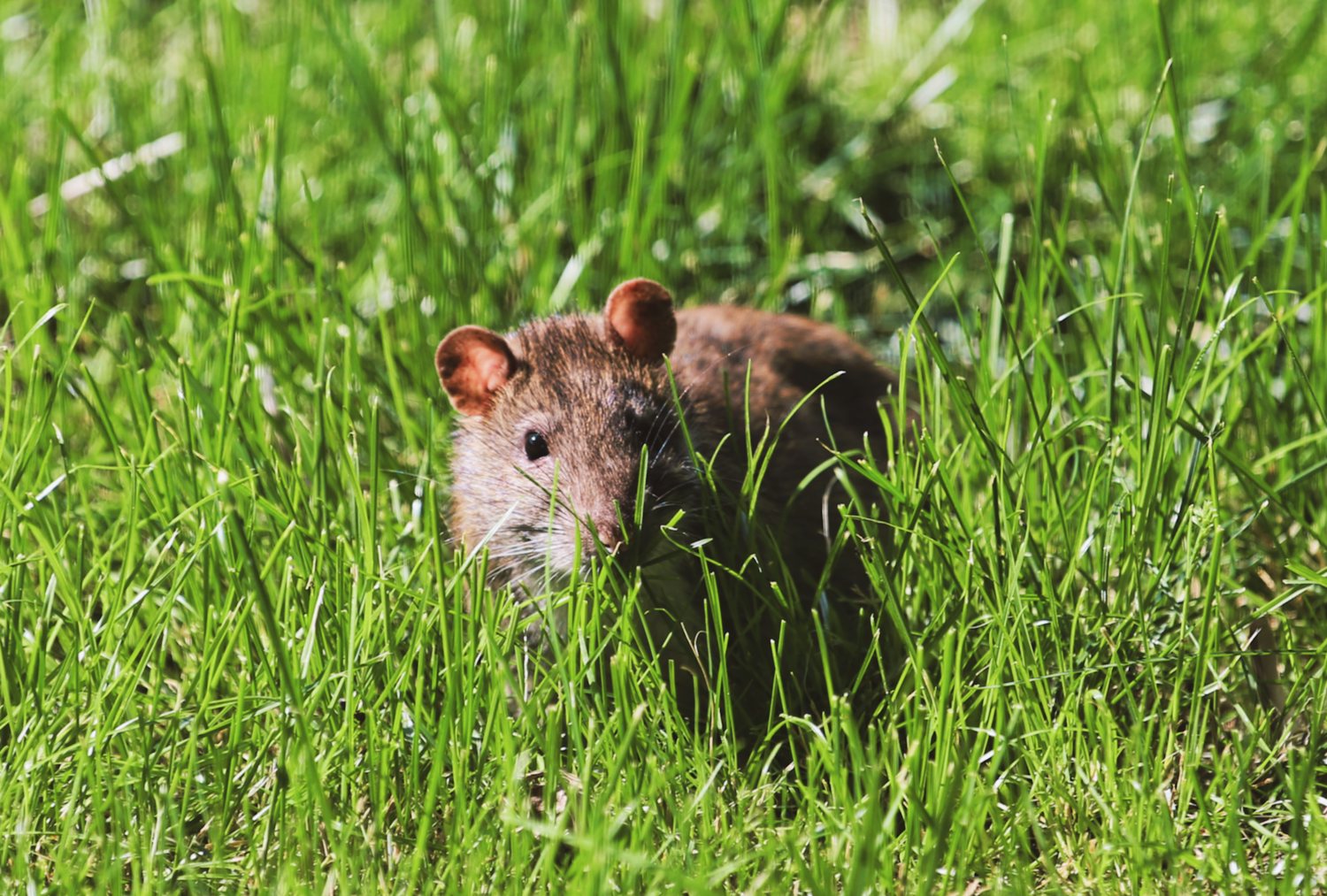
Rat Removal
Clear the rats living in your attic, soffits, and wall voids with a targeted trap-and-remove plan.
Learn more about rat removal
Roof Rat Removal
The climbing rat behind most Tampa attic noise, traced from the tree line to the hole it uses.
Learn more about roof rat removal
Attic Rat Control & Cleanup
Clear the attic, pull fouled insulation, check the duct runs, then close the roofline behind them.
Learn more about attic rat control & cleanupInfestation Treatment
Knock down a breeding population across the whole house, then shut the way back in.
Keep them outPrevention & Exclusion
Close the soffit returns, tile edges, and vent gaps that let rats walk straight back in.
Knock it downRat Extermination
Eliminate the rats already nesting inside, with placements kept away from pets and kids.
Trap lines that workRat Trapping
Traps set on real runways and rechecked, not scattered across the attic and forgotten.
Find the smellDead Rat Removal
Track the smell to the carcass, remove it, and treat the odor at the source.
Right nowEmergency Rat Removal
A rat loose indoors, or running the ceiling at 2am, handled now instead of next week.
Restaurants and retailCommercial Rat Control
Discreet, documented rat work for kitchens, warehouses, and multi-unit buildings.
Rats and miceRodent Control
Roof rats, Norway rats, and house mice identified first, then worked the way each needs.

Why this is a different job
What actually works on a Tampa roof rat
Tampa is roof rat country. That single fact changes where the traps go, which openings matter, and what order the work happens in.
-
The tree line comes first
In Tampa the rat is usually already above you. Palms, oaks, and service drops that touch the roof are the road in, and trapping an attic while the road stays open is a subscription, not a fix.
-
Tile and soffit get treated as entry points
Barrel tile leaves an open batten space at the eave, and a broken bird stop is a doorway. Soffit returns where a carport or Florida room meets the main roof are the other usual seam.
-
Traps go where the rat already walks
A rat runs the same path nightly and leaves it marked in grease and dust along the framing. Set on that line it catches in a night. Set in the open it catches nothing.
-
The hole gets closed with steel
Hardware cloth and sheet metal on the openings that were mapped. Foam and mesh screen do not hold. This is the step that decides whether you call again next year.
-
The attic gets cleaned, not just emptied
Fouled insulation and scent trails tell the next rat working the block that this was a good address. Chewed duct board also means you have been cooling the attic.
The six-point rat defense
Six steps, in this order. Run them out of order and you pay for the same attic twice.
6-POINT RAT DEFENSE
Tampa, FL · roof rats, Norway rats, mice
1. Inspect and identify
Roofline, soffit returns, tile edges, gable vents, attic, garage, and every pipe penetration. Which rat you have, where it walks, and how it got in.
2. Cut the overhead route
Palm fronds, oak limbs, and utility lines that reach the roof are the road in. Trimming back the bridge takes the traffic off the roof before anything else works.
3. Trap the runways
Trap lines go on the mapped runways, flush to structure, triggers across the path. Placements stay clear of pets and children, and catch counts get checked.
4. Seal the entry points
Steel and hardware cloth on every opening that was marked, including the tile edge and the soffit return. A rat chews through expanding foam in a night.
5. Clear the attic
Fouled insulation out, droppings removed, chewed duct board flagged, framing treated. Urine trails outlive the rats that made them.
6. Check it again
A return look at the trap line and the seal work. The job is finished when the catch stops and the openings stay closed, not when the noise stops for a week.
- 1
Inspect and identify
Roofline, soffit returns, tile edges, gable vents, attic, garage, and every pipe penetration. Which rat you have, where it walks, and how it got in.
- 2
Cut the overhead route
- 3
Trap the runways
- 4
Seal the entry points
- 5
Clear the attic
- 6
Check it again
Six things people notice first
Most Tampa rat calls start with one of these. Any single one is enough to be worth a look.
Running above the ceiling after dark
Scratching and scurrying that starts an hour after sunset and moves in a line. Roof rats are most active in the first hours of dark.
Droppings behind the pantry
Dark, spindle-shaped and pointed at the ends, usually along a wall or behind stored food. Blunt-ended droppings point to a Norway rat instead.
A grease line on a joist
A dark smear along framing or a duct where the same body has passed hundreds of times. This is the runway, and it is where traps belong.
Fruit stripped on the ground
Citrus, loquat, or mango hollowed out and dropped under the tree. A backyard fruit tree will hold a roof rat population on its own.
Shredded insulation or duct board
Nesting material pulled apart in the attic, or a chewed flex duct that has been quietly cooling the attic instead of the house.
A smell in the wall
A sweet, heavy odor that gets worse for a week and then slowly fades. That is a carcass, and it has to come out rather than be covered.
Name the animal before anything gets set
Three rodents, three different jobs. The wrong call here makes everything after it underperform.
Roof rat
Rattus rattus
- Where it lives
- Attics, soffits, upper walls, tree canopy
- How to tell
- Slim body, tail longer than the body, large ears, pointed nose. Droppings are spindle shaped with pointed ends.
- How it gets in
- Climbs. Reaches the roof on palm fronds, oak limbs, fences, and utility lines, then enters at soffit returns, tile edges, and gable vents. This is the rat behind the large majority of Tampa attic calls.
Norway rat
Rattus norvegicus
- Where it lives
- Burrows, storm drains, canal banks, dumpster pads
- How to tell
- Heavy body, blunt nose, small ears, tail shorter than the body. Droppings are larger with blunt ends.
- How it gets in
- Burrows. Works the ground line along foundations, under sheds and decks, and along the river, canals, and drainage ditches, then enters at garage corners, dryer vents, and pipe penetrations.
House mouse
Mus musculus
- Where it lives
- Kitchens, pantries, wall voids
- How to tell
- Small, under an ounce, with a thin tail and a pointed nose. Droppings are rice-grain sized.
- How it gets in
- Squeezes through a quarter-inch gap and stays close to food. Mice need different trap spacing and different placement than rats, which is why identification comes before anyone sets anything.
Where the calls come from
Tampa neighborhoods and the Hillsborough County towns around them. Pick your area, or just call.
Central Tampa
- Hyde Park
- Tampa Heights
- Riverside Heights
- Davis Islands
- Channelside
- SoHo
- Ybor City
South Tampa
- Palma Ceia
- Bayshore Beautiful
- Virginia Park
- Beach Park
- Westshore
- Ballast Point
- Port Tampa
North Tampa
- Old Seminole Heights
- South Seminole Heights
- Sulphur Springs
- Forest Hills
- Egypt Lake
- New Tampa
- Tampa Palms
Not on the list? Tampa and the surrounding Hillsborough County areas are covered. Call 813-692-1105

Local conditions
Why Tampa houses fail the same four ways
The housing stock here splits into a few clear types, and each one has a signature weak point. Knowing which one you own shortens the inspection considerably.
1920s bungalows in Seminole Heights, Tampa Heights, and Hyde Park sit on brick piers with wood siding and deep eaves. Old framing leaves open chases from the foundation to the attic, so a rat can travel the whole height of the house without crossing a room.
Concrete block on slab, the standard from the 1950s through the 1970s across Town ‘n’ Country and Carrollwood, takes the crawl space out of play and pushes everything up to the roofline. The usual failure is the seam where a carport or Florida room roof ties into the main house.
Barrel tile roofs leave an open batten space at the eave. Once the foam bird stop behind that first tile crumbles, the gap runs straight into the roof deck, and from there it is a short chew.
Attic ductwork, which nearly every house here has, is the part people find last. Chewed flex duct means the system has been quietly cooling the attic instead of the house, and it usually shows up on the power bill before anyone looks.
Rat control in Tampa, FL, start to finish
Rat control done properly is three jobs stacked together: get the animals out, close what let them in, and clean what they left behind. Skip any one and the problem returns, usually within a season. Tampa homeowners most often skip the second, because trapping produces a visible result and sealing does not.
It starts on the outside
An inspection that begins in the attic starts in the middle of the story. The useful question is how the animal reached the roof, and the answer is nearly always a bridge: a palm whose fronds rest on the eave, a live oak limb reaching over the ridge, a cable drop, or a fence line running to a corner. Rats are neophobic and stick to routes they trust, so a bridge that has been in use for months carries most of the traffic. Cutting it changes the pressure on the house immediately.
From there the walk covers the roofline itself: soffit returns, the joint where a lower roof meets a wall, gable and turbine vents, plumbing boots, and the first course of tile at the eave. Anything a half inch across is a candidate, because that is genuinely all an adult rat needs. Then the ground line, which matters more near the river, the canals, and the drainage ditches: garage door corners, weep holes, dryer vents, hose bibs, and unsealed HVAC and plumbing penetrations.
Trapping is a placement problem
Most people who tell you their traps caught nothing set them correctly and put them in the wrong place. A rat does not wander an attic looking for novelty. It runs a route, keeps a shoulder against structure, and leaves that route marked in a dark grease line along the joists and duct runs. Traps belong on that line, flush to the framing, with the trigger across the path. Traps in the open middle of an attic floor collect dust.
Placement also has to account for the household. Set positions stay away from pets and children, and the line gets checked rather than guessed at. Catch counts falling to zero while activity continues usually means a second route nobody has found yet, which sends the job back to the inspection.
Sealing is what makes it stop
Exclusion is the step that decides whether you call again next year. Every opening marked during the inspection gets closed with material a rat cannot work through, which in practice means galvanized hardware cloth, sheet metal, and mortar where it belongs. Expanding foam is not a seal. A rat chews through a foam plug in a single night and leaves the hole slightly larger than it found it.
On tile roofs, closing the eave means addressing the bird stop rather than just the visible gap. On block homes, the carport and Florida room seams usually need proper flashing and closure instead of a bead of caulk. This is slower and less satisfying than trapping, and it is the part that actually ends the problem.
Then the attic gets cleaned
Rats leave scent behind. Urine soaks into insulation and keeps a trail alive long after the animals that made it are gone, and that trail reads to the next rat working the block as a recommendation. Attic cleanup means fouled insulation removed, droppings taken out, framing treated, and chewed duct board flagged so it can be repaired. An attic that was cleared but never cleaned is still an invitation.
What this site does not cover
This is rat and rodent work. Roaches, ants, termites, and mosquitoes are somebody else's job, and in Tampa that is worth saying plainly, because most companies here sell a quarterly route with rodents attached. A route visit is not a rat job. If you want both under one roof, hire a full-service company. If the problem is rats, this is the whole of it.
When to call tonight rather than tomorrow
A rat loose in living space, a chewed wire, droppings near food prep, or a rat in a commercial kitchen are all same-night problems. So is a noise that has moved from the attic into a wall beside a bedroom, since that usually means the population has outgrown the space it started in. Emergency rat removal exists for exactly those calls.
For everything else, the honest answer is that a week does not change much, but a season does. Tampa rats breed year-round, so the gap between noticing and acting is the single thing that decides whether this is a two-visit job or a much larger one.
You can read more about rodent-borne illness and control guidance from the CDC's rodent control pages and the University of Florida IFAS Extension guide to rats and mice.
Questions people ask about Tampa rats
What kind of rat is in my Tampa attic?
Almost always a roof rat. Roof rats are the climbing species, and they reach the roofline on palm fronds, oak limbs, fences, and utility lines, then enter at soffit returns, gable vents, and the open batten space under barrel tile. Norway rats are the heavier burrowing species and stay closer to the ground, along canal banks, storm drains, and dumpster pads. The two need different trap placement, so the animal gets named before anything is set.
How much does rat control cost in Tampa?
It depends on the size of the house, how far the activity has spread, and how much sealing the roofline needs. A single entry point on a small block home is a different job from a two-story with tile, an attic full of fouled insulation, and three open seams. You get the scope and the number before any work starts, with no obligation.
Do rats go away on their own in Florida?
No. Tampa has no winter cold snap to thin the population, so roof rats breed year-round and a small problem in October is a larger one by spring. Rats also do not abandon a warm, dry attic with a food source nearby. The activity stops when the animals are removed and the openings are closed, not before.
How do rats get into a Tampa house?
Overhead, most of the time. Palms and oaks that touch the roof are the road in, and from there the weak points are soffit returns, the seam where a carport or Florida room roof meets the main house, gable and roof vents, and the first tile at the eave where a foam bird stop has crumbled. At ground level it is garage door corners, dryer vents, weep holes, and unsealed plumbing or HVAC penetrations.
Is trapping enough, or do the holes need sealing too?
Trapping empties the house. Sealing keeps it empty. Removal on its own is a rental agreement, because the opening that let the first rat in is still there for the next one. Exclusion means steel and hardware cloth on the openings that were mapped during the inspection. Expanding foam and screen mesh do not hold, since a rat chews through both.
Why is there a smell but no rat?
That is usually a carcass in a wall void, a soffit, or under attic insulation. The odor builds for about a week, holds, then slowly fades over several more. An odor spray covers it for an afternoon. The carcass has to be located and removed, and the area treated, or it simply comes back each warm afternoon.
Do you handle roaches, ants, or termites too?
No. This is rat and rodent work only. That is a real limitation and worth knowing before you call. If you want one company for quarterly general pest plus rodents, a full-service route is a better fit. If the problem is rats and nothing else, this is the whole job rather than a line item on a route.
Rats in the attic? Get it looked at.
Describe what you are hearing and where. You get the scope and the number before anything starts, with no obligation.
813-692-1105Day or night, seven days a week