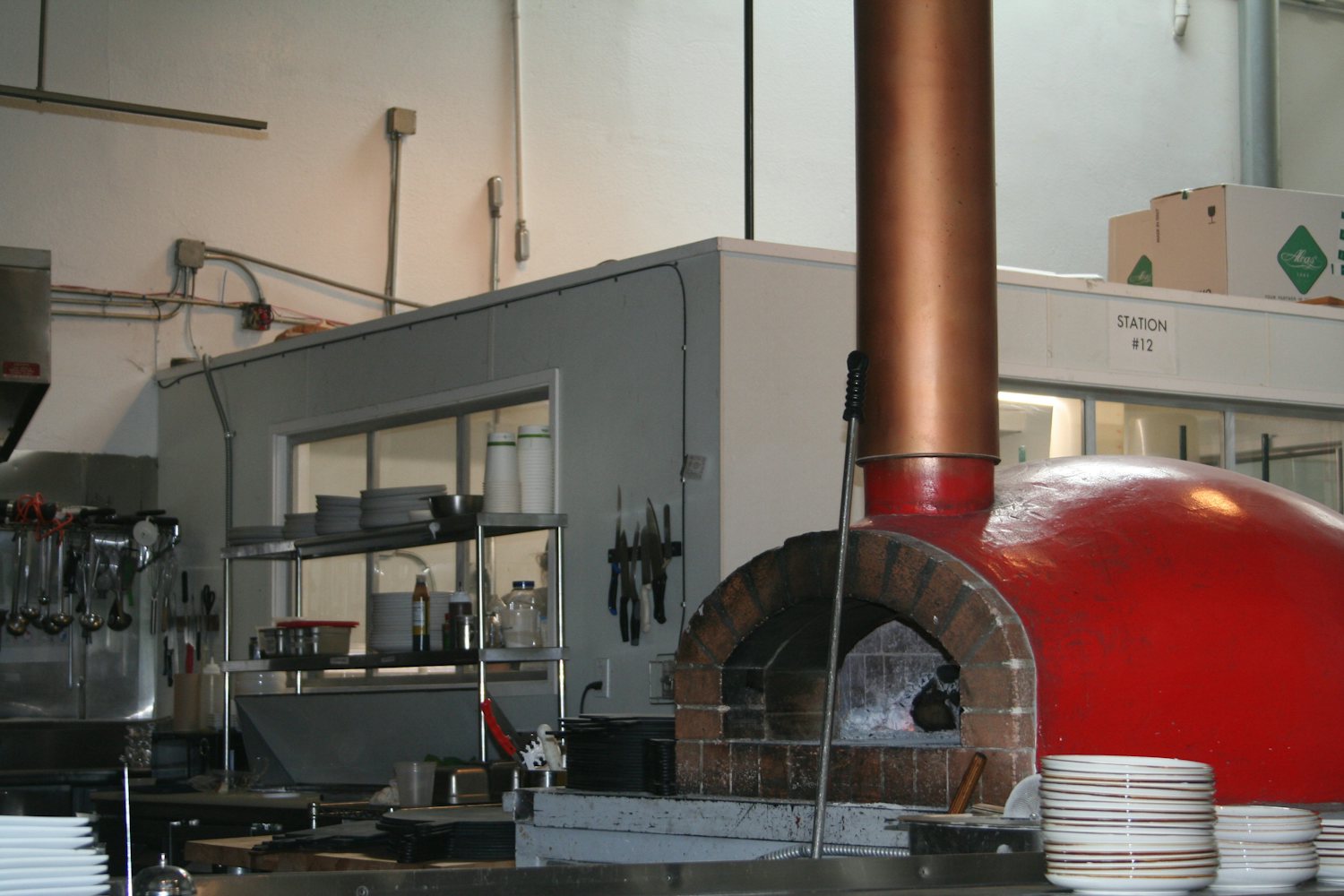
Restaurants and retail
Commercial Rat Control in Tampa, FL
Your kitchen can be spotless and still sit on a travel lane. The source is usually outside.
Call 813-692-1105Commercial rat control in Tampa, FL
Commercial rat control in Tampa, FL runs on a different logic from residential work, and the difference is worth naming early. Your kitchen can be spotless and still sit on a travel lane. Cleanliness inside controls what a rat finds when it arrives. It does not control whether it arrives.
That is why commercial jobs here so often start outside the building. A restaurant on a shared dumpster pad, a bakery next to a tenant with poor waste discipline, or a warehouse backing onto a drainage ditch is under continuous pressure from a population being fed and housed somewhere it does not control.
Where the pressure comes from
Commercial properties in Hillsborough County tend to sit near at least one of the following, and usually more than one:
- Shared dumpster and compactor pads. A steady, reliable food supply that supports a resident Norway rat population within easy travel distance of every unit in the plaza.
- Loading docks and dock levelers. Gaps around a leveler pit and dock seals that have worn are among the most consistently open entry points on commercial buildings.
- Drainage ditches and canals. Norway rat corridors that run through much of the county, including behind the Hillsborough Avenue and Brandon Boulevard retail corridors.
- Neighboring tenants. In a strip center, shared ceiling voids, common walls, and continuous roof space mean a rat problem in one unit is a rat problem for the row.
- Overhead routes. Roof rats use the same palms, oaks, and service lines they use residentially, and flat commercial roofs with parapet walls give them cover once they arrive.
Restaurants and food premises
Food service carries the highest stakes and the tightest constraints. The work has to be effective, discreet, and documented, and none of those is optional.
Discretion is practical rather than cosmetic. Scheduling around service hours means no equipment in view during trading, no customer seeing someone come out of a ceiling access panel, and no interruption to the line. Where a property allows after-hours access, that is usually how these jobs run.
Placement in a commercial kitchen has to account for food safety as well as rat behavior. Sets go into voids, ceiling spaces, back-of-house areas, and along the exterior rather than anywhere near preparation or storage. Interior bait is a poor fit in food premises for the same reason it is a poor fit in a home: an animal that dies inside a wall or above a ceiling produces an odor problem in a room where odor is a business problem.
Documentation is the third requirement. Findings, locations, actions, and sealing work all get recorded, which is both what an inspector expects to see and what tells you whether pressure is falling between visits.
Warehouses and industrial buildings
Large buildings change the search rather than the method. Racking, pallet storage, and stock rotation create protected harborage that is genuinely hard to inspect, and rats will use the least-disturbed part of the building, which is usually deep in slow-moving stock.
The perimeter is where the entry points are: dock levelers, roll-up door corners and worn seals, utility penetrations, and gaps where the wall meets the slab. Exterior work along the building line usually does more for a warehouse than interior sets do, because it intercepts animals before they reach the harborage.
Multi-unit residential
Apartment buildings, duplexes, and condominium blocks have to be handled as single structures. Rats move between units through shared ceiling voids, common wall cavities, plumbing chases, and utility runs, so treating one unit in response to one complaint relocates the population rather than reducing it.
Effective work means inspecting the shared spaces, mapping the routes between units, and sealing the building envelope rather than the individual apartment. Communal waste areas usually need attention at the same time, because they are the food supply keeping the numbers up. That is a coordination problem with property management as much as a pest one, and it works considerably better when it is planned that way from the start.
Exclusion on commercial buildings
The materials are the same as residential, galvanized hardware cloth, sheet metal, and mortar, but the inventory of openings is different and larger.
Dock levelers and door seals are the usual first target. Roof penetrations for HVAC units, refrigeration lines, and exhaust are the next, and on flat commercial roofs there tend to be many of them. Parapet and coping gaps, utility chases between units, and grease trap and drain access all matter. On tenanted properties there is also the question of what the landlord controls versus what you do, which is worth settling before work starts rather than discovering halfway through.
Ongoing pressure, not a one-off
An honest note about commercial work. A house can be cleared, sealed, and largely finished. A commercial property adjacent to a permanent food source is under permanent pressure, and the realistic goal is keeping the building closed and the interior clear rather than eliminating the population in the wider area.
That means periodic checks of the seal work, particularly after roof work, refrigeration changes, or storm damage, and attention to the waste handling that drives the numbers. Sealing a building next to an overflowing shared dumpster buys less time than sealing the same building next to a managed one.
Scope and pricing come before any work starts, and for commercial properties that includes what the inspection found, what can be sealed, and what sits outside your control and needs raising with a landlord or a neighbor.
Related rat work in Tampa
Rat Removal
Clear the rats living in your attic, soffits, and wall voids with a targeted trap-and-remove plan.
The Tampa ratRoof Rat Removal
The climbing rat behind most Tampa attic noise, traced from the tree line to the hole it uses.
Heavy activityInfestation Treatment
Knock down a breeding population across the whole house, then shut the way back in.
Keep them outPrevention & Exclusion
Close the soffit returns, tile edges, and vent gaps that let rats walk straight back in.
Commercial Rat Control questions
Can commercial rat work be done outside business hours?
Where the property allows it, yes, and for restaurants and retail it is usually the sensible option. Work scheduled around service means no equipment visible during trading and no conversation with customers about why someone is in the ceiling.
My kitchen passes inspection and I still have rats. Why?
Because the source is usually outside the building. A shared dumpster pad, a neighboring tenant, a loading area, or a travel lane between structures will keep supplying animals no matter how clean the interior is. Sanitation inside limits what they find; it does not stop them arriving.
Do you provide documentation for health inspections?
Yes. Commercial work is documented: what was found, where, what was done, and what was sealed. That record is what an inspector wants to see, and it is also what tells you whether the problem is improving between visits.
What about multi-unit apartment buildings?
Multi-unit work has to be treated as one structure rather than a series of separate calls. Rats move between units through shared wall and ceiling voids, chases, and utility runs, so treating a single unit relocates the problem next door instead of resolving it.

Get the rats out, then keep them out.
Describe what you are hearing and where. You get the scope and the number before anything starts, with no obligation.
813-692-1105Day or night, seven days a week