Plant City, FL
Rat Control in Plant City, FL
Plant City is farm country with a historic downtown attached, and both ends of that produce a different rat problem.
Call 813-692-1105Rat control in Plant City, FL
Field and grove edges, packing sheds, and equipment barns support large outdoor populations, and harvest or a field turning over pushes them toward the nearest building. Downtown and the older residential blocks around it have wood-frame houses from the 1910s and 1920s sitting on brick piers, where a Norway rat gets in at the sill or through a rotted skirt board and a roof rat comes down from the oaks. Grain, feed, and pet food storage is usually the thing holding the numbers up.
What the houses here do wrong
Two distinct types. Wood-frame houses from the 1910s and 1920s around the historic downtown sit on brick piers with open chases running from the foundation to the attic, so an animal can travel the height of the house without crossing a room. Everything further out is farm structures: packing sheds, equipment barns, and feed storage.
How the season moves them
Field and grove edges support large outdoor populations, and a field turning over or a harvest finishing pushes them toward the nearest building in a wave rather than a trickle.
Tampa Bay has no freeze to thin a rat population, so breeding runs through the whole year in Plant City the same as everywhere else in Hillsborough County. That is the single biggest difference between rat work here and rat work in a colder market. Waiting does not help, because there is no season in which the numbers fall on their own.
What we see on Plant City calls
Plant City is the one part of the county where a job regularly involves both species at once: Norway rats at the sill and in the outbuildings, roof rats coming down from the oaks into the attic.
Local reference points that come up on these jobs: Historic downtown, Alexander Street, Park Road, Thonotosassa Road, and Interstate 4. None of that is decoration. Where a property sits relative to water, canopy, and commercial waste is most of what predicts which species you have and where it is getting in.
How the work runs
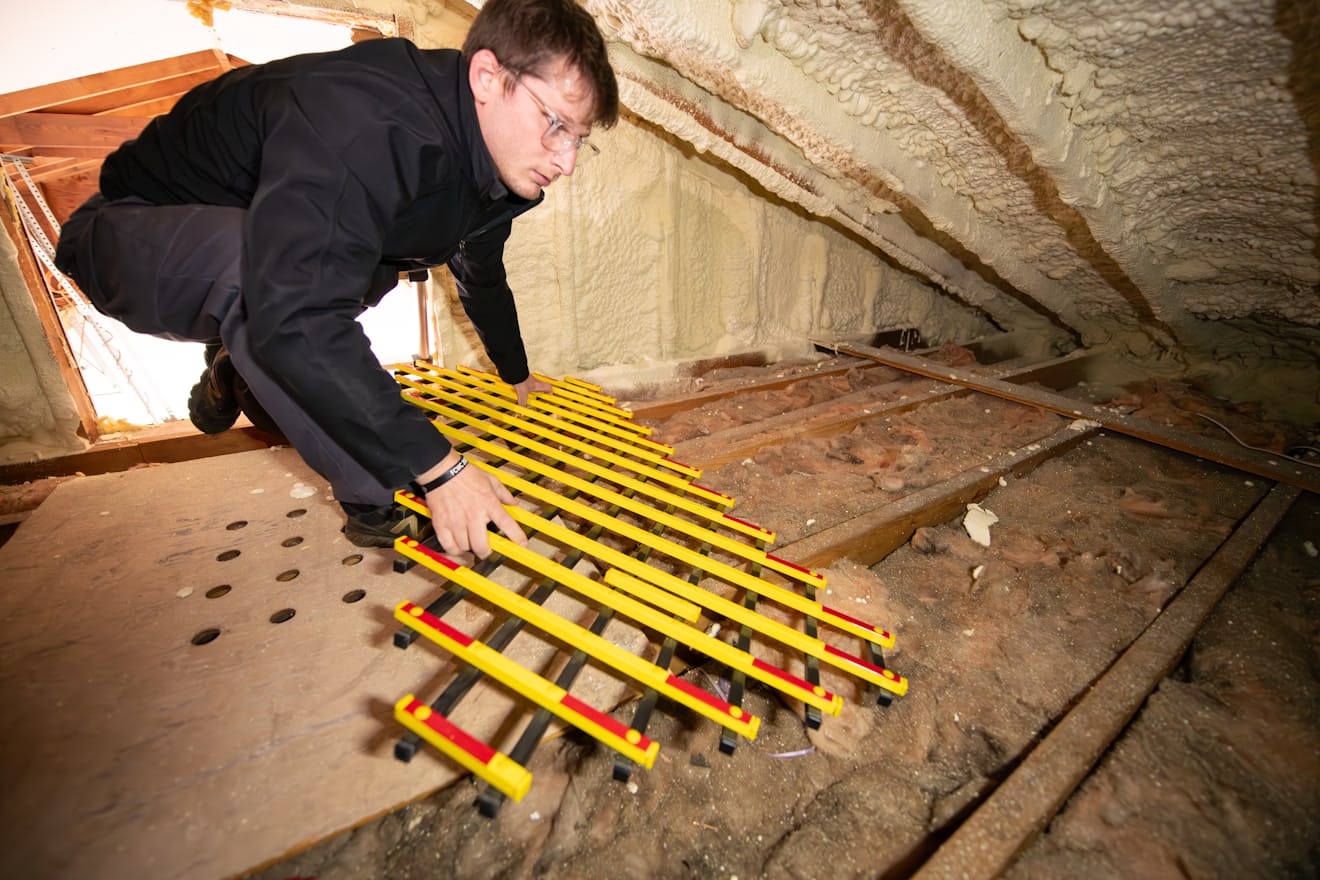
The sequence is the same in Plant City as anywhere else, and the order matters more than any individual step. The house gets inspected from the outside in, because a roof rat arrives overhead and the interior evidence only tells you where it ended up. The overhead route gets cut, since trapping an attic while a palm frond still rests on the eave produces a temporary result at best.
Then trap lines go on the mapped runways, flush to structure, with the trigger across the path. Rats run fixed routes and leave them marked in grease along the framing, so placement on that line is what decides whether a trap catches in a night or sits untouched for a week.
Sealing runs alongside the trapping, with the main active route left open until the catch stops and closed last. Every opening gets galvanized hardware cloth, sheet metal, or mortar, depending on where it is. Expanding foam is not a seal, because a rat chews through it overnight and leaves the hole wider than it found it.
Finally the attic gets cleaned. Urine soaks into insulation and keeps a scent trail alive long after the animals are gone, and that trail reads to the next rat working the block as a recommendation. An attic that was cleared but never cleaned is still advertising.
Which rat is it
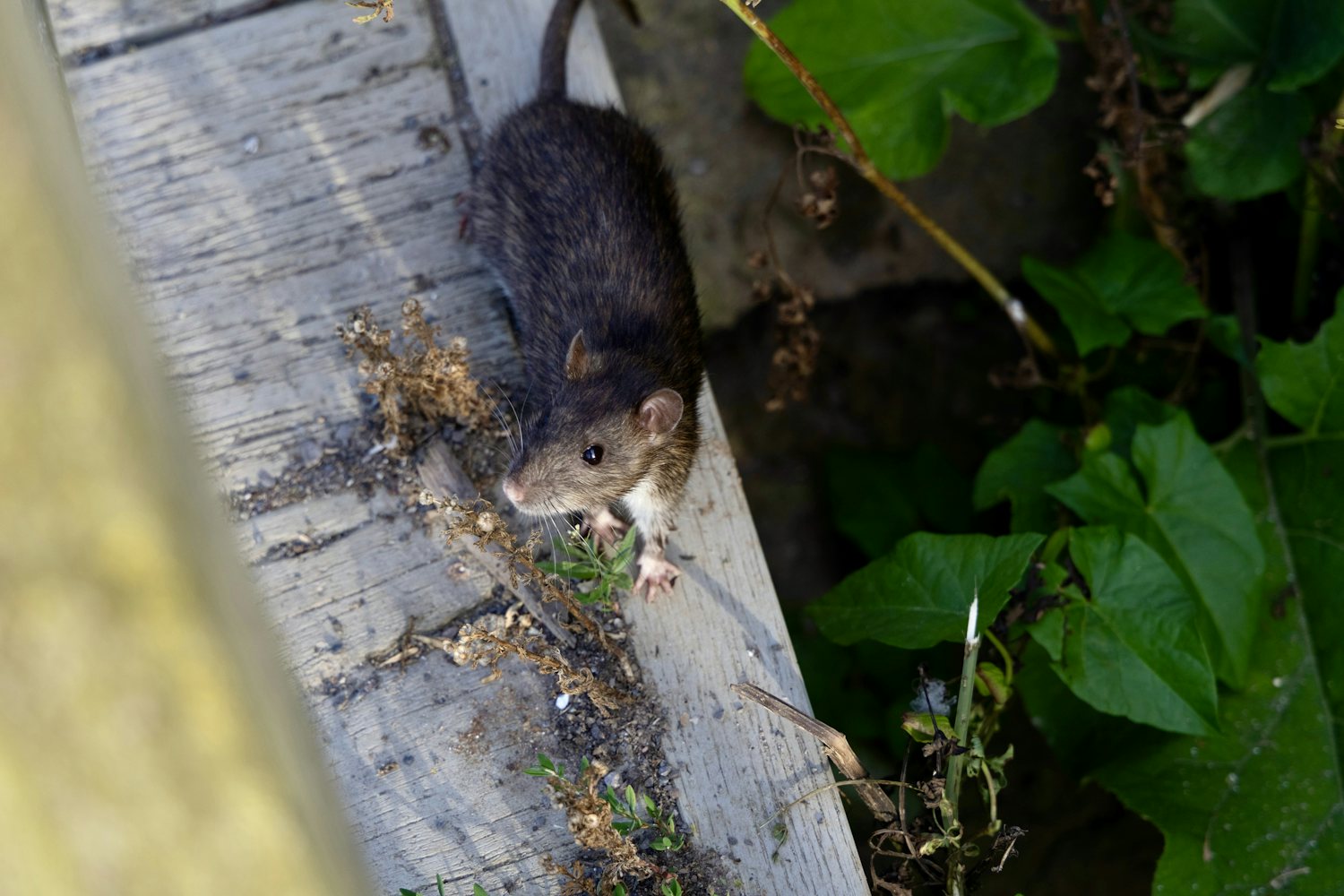
Almost every attic call in Plant City is a roof rat: the slim, long-tailed climbing species that reaches the roofline on palms, oak limbs, fences, and utility lines. Norway rats are the heavier burrowing species and stay lower, working canal banks, storm drains, and the ground line along foundations, so they turn up at garage corners, dryer vents, and pipe penetrations instead.
The two need different trap placement and different openings closed, which is why nothing gets set until the animal is named. If you are hearing noise that starts about an hour after sunset and travels in a line across the ceiling, plan on a roof rat. The full comparison, including house mice, is on the rodent control page.
Calling from Plant City
Useful details to have ready: what you are hearing, where in the house, and what time of night it happens. That is usually enough to name the species before anyone arrives. Pricing and scope come before any work starts, with no obligation, and the line is open day or night, which matters because ceiling noise at 2am is when most people actually pick up the phone.
Rat services available in Plant City
Rat Removal
Clear the rats living in your attic, soffits, and wall voids with a targeted trap-and-remove plan.
The Tampa ratRoof Rat Removal
The climbing rat behind most Tampa attic noise, traced from the tree line to the hole it uses.
Heavy activityInfestation Treatment
Knock down a breeding population across the whole house, then shut the way back in.
Keep them outPrevention & Exclusion
Close the soffit returns, tile edges, and vent gaps that let rats walk straight back in.
Knock it downRat Extermination
Eliminate the rats already nesting inside, with placements kept away from pets and kids.
Trap lines that workRat Trapping
Traps set on real runways and rechecked, not scattered across the attic and forgotten.
Above the ceilingAttic Rat Control & Cleanup
Clear the attic, pull fouled insulation, check the duct runs, then close the roofline behind them.
Find the smellDead Rat Removal
Track the smell to the carcass, remove it, and treat the odor at the source.
Something running above the ceiling in Plant City?
Describe what you are hearing and where. You get the scope and the number before anything starts, with no obligation.
813-692-1105Day or night, seven days a week