Find the smell
Dead Rat Removal in Tampa, FL
An odor spray masks it for an afternoon. The carcass has to come out of the wall.
Call 813-692-1105Dead rat removal in Tampa, FL
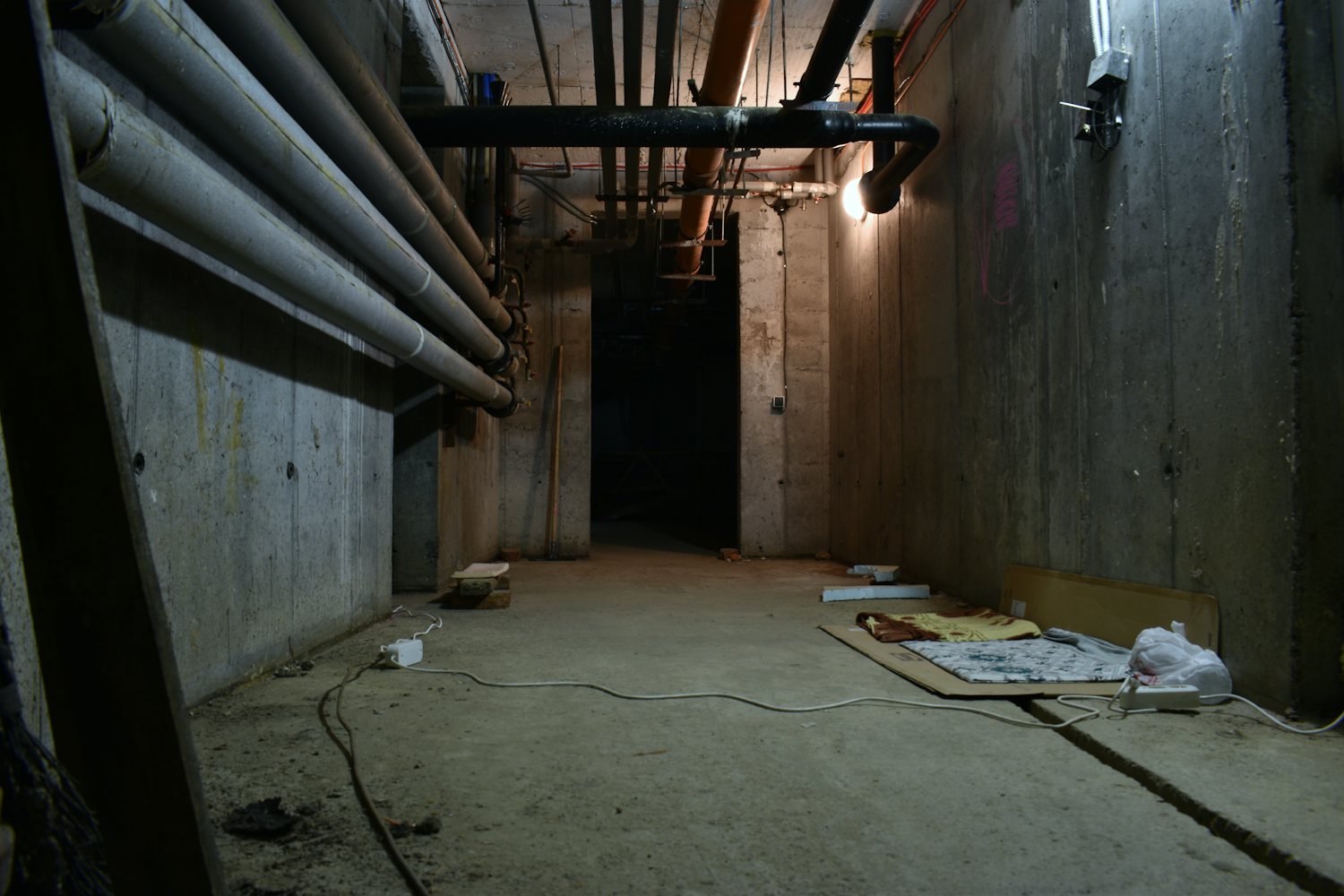
Dead rat removal in Tampa, FL is one of the few pest calls where the problem announces itself before anything is visible. A sweet, heavy, unmistakable odor appears somewhere in the house, gets worse for about a week, holds, then slowly fades. That smell is a carcass, and the only real fix is to find it and take it out.
Tampa heat and humidity compress and intensify this. An attic here runs far hotter than the living space below it, which accelerates decomposition and drives odor down through the ceiling. In a wall cavity, humidity slows drying and stretches the whole cycle out.
Where they die
A rat dies where it feels safe, which is almost never in the open. The recurring locations in Tampa homes:
- Wall voids, most often on an exterior wall, and frequently at the bottom of a cavity where the animal fell and could not climb out.
- Under attic insulation, where a body can be completely invisible from the hatch while the odor spreads through the whole attic.
- Soffit runs, which combine enclosure, heat, and poor ventilation.
- Behind or beneath cabinetry, especially in kitchens where a rat was already working close to food.
- Inside ductwork, which is the worst case in this climate, because the air handler then distributes the odor through the entire house rather than leaving it local.
- Under a slab-level appliance or in a utility chase, where a Norway rat entering at ground level ends up.
How the carcass gets located
Locating is the actual skill in this job. Cutting open drywall at the strongest-smelling point is a common mistake, because odor pools and travels along framing cavities rather than sitting directly beneath its source.
The search works from several signals at once. Odor gradient gets mapped systematically across rooms and heights rather than judged from one spot. Insect activity is one of the most reliable indicators there is, since flies concentrate at the source and often appear at a specific point on a wall or ceiling. Staining sometimes shows on drywall or ceiling material. And the runway map matters: a carcass is nearly always on or beside a route the animal was already using, so knowing where the runways are narrows the search area considerably before anyone touches the structure.
Attics get searched physically, which in practice means working through insulation along the runways rather than looking from the hatch. Most attic carcasses are not visible until you are on top of them.
When an opening is necessary
Sometimes the wall has to be opened. When it does, the opening is made at the least destructive point that reaches the cavity: low in a closet, behind an appliance, in an inconspicuous section, or from the exterior where that is easier to repair than interior finish.
The carcass and any contaminated insulation come out together, the cavity gets treated at the source, and the opening is closed properly. The aim is a small, repairable access point rather than exploratory demolition, which is why the locating work matters so much.
Treating the odor rather than covering it
Once the source is gone, residual odor stays in the surrounding material: insulation, framing, drywall paper, and any fluids that soaked in. Treatment addresses that residue directly, which is a different thing from spraying a fragrance over it.
Masking agents are the common disappointment. An odor bomb covers the smell for an afternoon and it returns every warm afternoon after that, because nothing has been removed. Ozone and fogging have a legitimate role once the carcass and contaminated material are out, as a finishing step for residual odor. Neither is a substitute for removal.
The question the smell should raise
A dead rat means there was a live rat, and rats are rarely solitary. The most useful part of this call is often what the inspection turns up while looking for the carcass: active runways, droppings, open entry points on the roofline, and evidence of a population still in the structure.
This matters especially if bait was used recently. Rodenticide reliably produces exactly this outcome, an animal dying inside a wall or under insulation, and usually more than one. If bait was put out and one carcass has been found, plan on others.
Where activity turns out to be ongoing, the work continues into removal and sealing rather than stopping at the odor. Removing a carcass from a house that still has an open soffit return and a live population solves this week's problem only.
What it costs and how fast it happens
Most of the cost is locating rather than removing, so an accessible attic carcass on a known runway is a straightforward job, while a carcass in a wall cavity that needs mapping and an access opening takes longer. Ductwork cases add cleaning to the scope, because the system has been circulating the odor.
These calls are worth making promptly rather than waiting the smell out. Every day of Tampa heat spreads residue further into surrounding material, which increases what has to be removed and treated at the end. The scope and the number come before any work starts.
Related rat work in Tampa
Rat Removal
Clear the rats living in your attic, soffits, and wall voids with a targeted trap-and-remove plan.
The Tampa ratRoof Rat Removal
The climbing rat behind most Tampa attic noise, traced from the tree line to the hole it uses.
Heavy activityInfestation Treatment
Knock down a breeding population across the whole house, then shut the way back in.
Keep them outPrevention & Exclusion
Close the soffit returns, tile edges, and vent gaps that let rats walk straight back in.
Dead Rat Removal questions
How long does a dead rat smell last in a Florida house?
In Tampa heat the odor usually builds over about a week, holds for one to two weeks, then fades slowly over several more. Humidity and attic temperature push it toward the longer end. A larger animal, or one inside a humid wall cavity, takes longer than one in a dry, ventilated attic.
Can you find a dead rat inside a wall without cutting it open?
Often, yes. The odor gradient, staining, insect activity, and the runway map usually narrow it to a small area. When an opening is genuinely necessary it is made at the least destructive point available, usually low in a closet or an inconspicuous section of drywall, and closed properly afterwards.
Will an odor spray or ozone treatment fix the smell?
Not on its own. Masking agents cover the odor for a few hours and it returns each warm afternoon. Ozone and fogging address residual odor after the source is gone, but neither removes a carcass. The source has to come out first.
Why do I have a dead rat if I never treated for rats?
Rats die of ordinary causes, and they often do it inside a structure because that is where they feel safe. A dead rat with no treatment history usually means there was an active population you had not noticed yet, which is worth inspecting for rather than treating as a one-off.
Get the rats out, then keep them out.
Describe what you are hearing and where. You get the scope and the number before anything starts, with no obligation.
813-692-1105Day or night, seven days a week